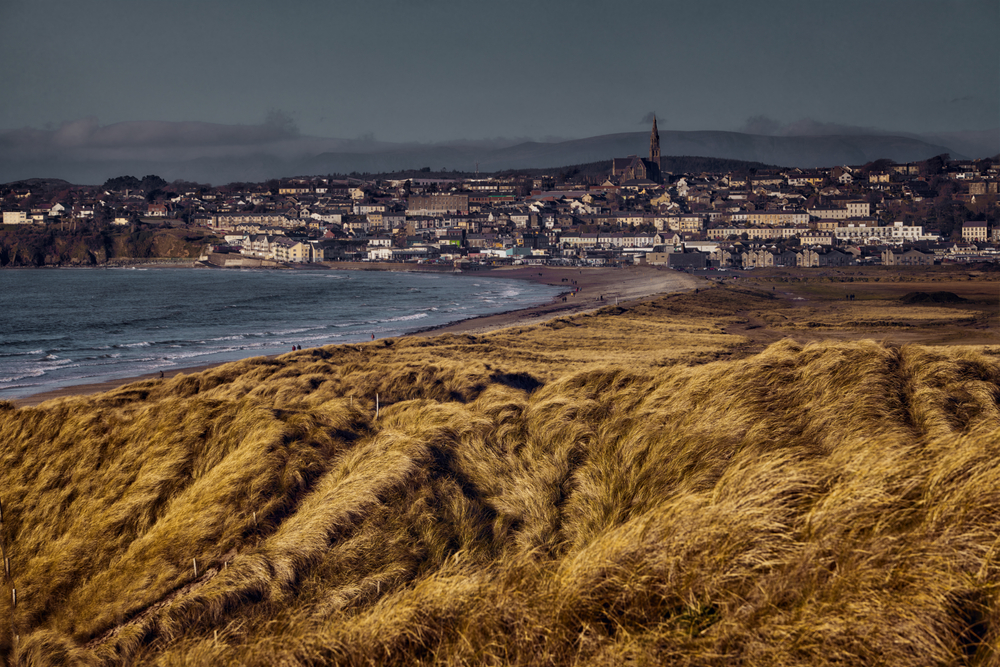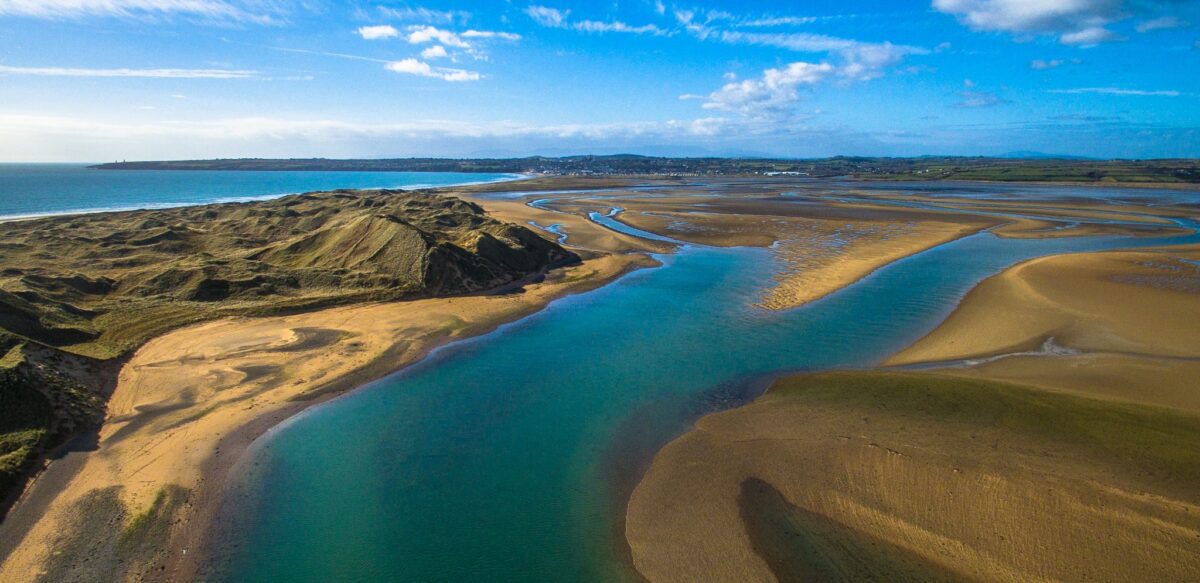
Header image credit: image credit: https://visitwaterford.com/activities/tramore-walks
Project Summary
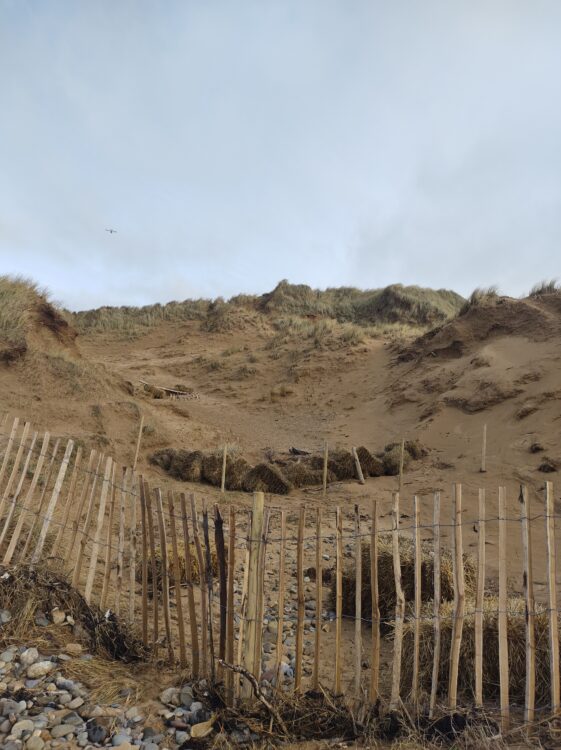
Cúpla Trá is an innovative project that combines digital twin technology and landscape biography methodology to conserve a delicate coastal ecosystem which is becoming increasingly vulnerable from erosion as a result of the effects from climate change whilst simultaneously balancing the challenge of increased human footfall and use as a leisure destination.
Funded by the Irish Environmental Protection Agency (EPA), the three-year transdisciplinary project began in 2024, and is a novel direction for both concepts, and is also the first time that they have been brought together in this eco-centric approach with the overall aim of protecting and restoring a natural environment.
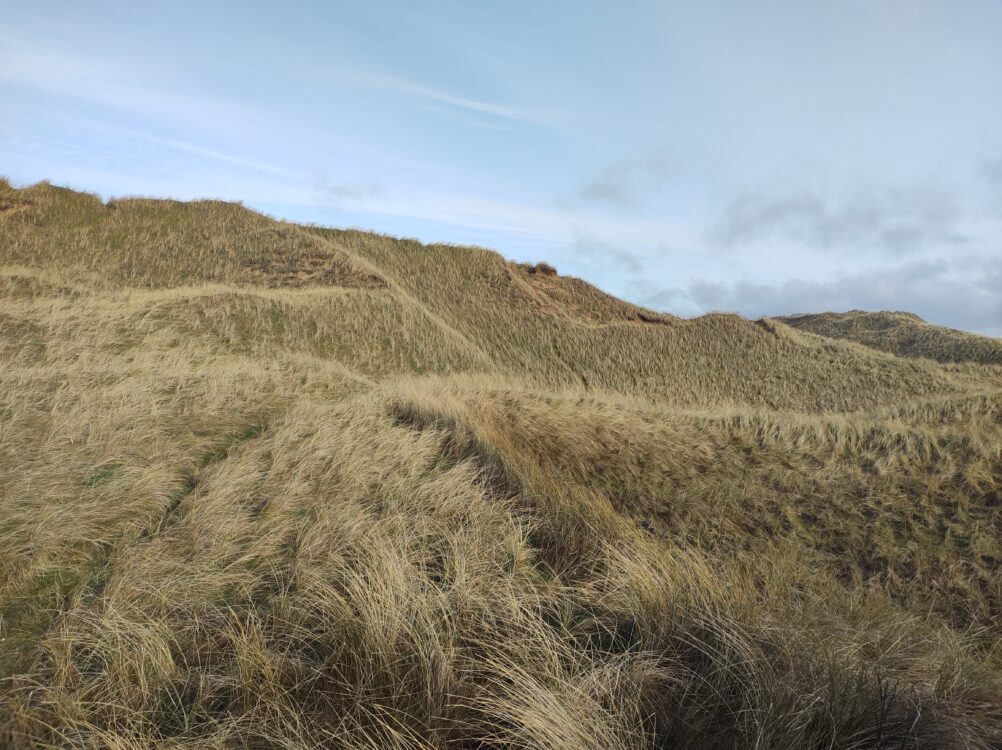
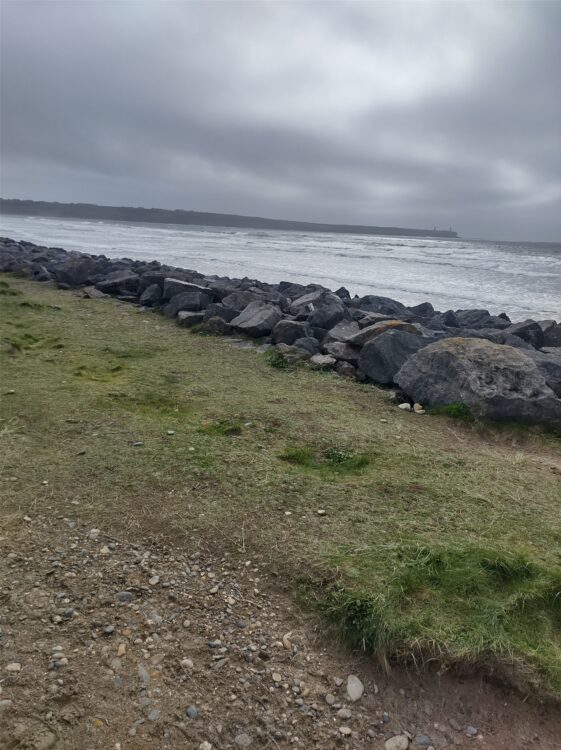
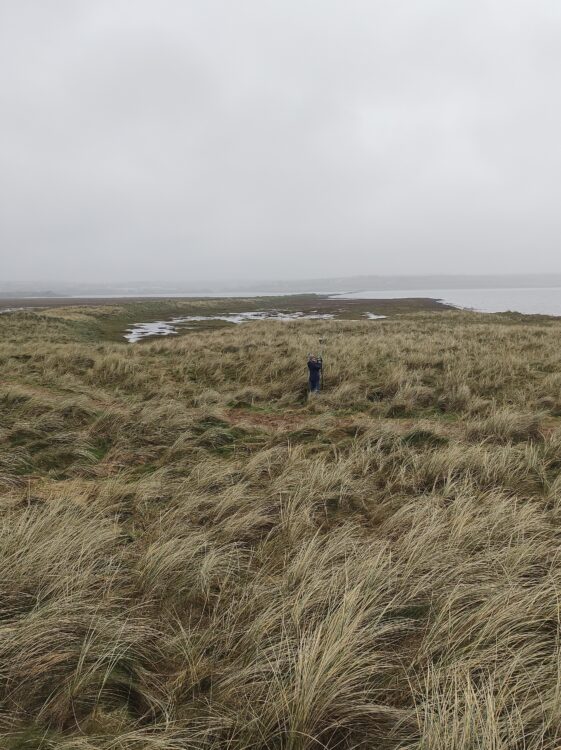
Cúpla-Trá, translated from Irish means, “Twin Beach or Strand”, and derives from the Irish translation of the name of the neighbouring town, Tramore as Trá Mhór (Big Strand or Beach), situated in County Waterford, South East Ireland. The project focuses on an area locally called the Back Strand which has become increasingly vulnerable as a result of ongoing climate change with the increased frequency of extreme weather events, rising sea levels and changes in the biodiversity structure, whilst simultaneously balancing the challenge of a growing local population coupled with growing numbers of tourists as the area is marketed as an attractive place to visit.
More information can be found in our published open-access article:
Shakespeare, E., & Stubbs, R. (2024). Cúpla Trá: Combining Landscape Biography and Digital Twin Technology for the protection and management of an Irish Coastal Ecosystem. Journal of European Landscapes, 5(1), 1–7. https://doi.org/10.5117/JEL2024.1.002.SHAK
Coastal Zone Digital Twin
The project team is currently building and developing a 3D model of the terrain and topography of the area, incorporating the extensive sand dune system, using the game engine, Unity. This allows for future stakeholder participation and interactivity. The relevant open access datasets, including satellite imagery, are being identified and incorporated into the model to develop the digital twin. The model will subsequently show the extent of the physical change of the natural environment, as well as its ecological assets, both flora and fauna.
When complete, the digital representation of this shifting and dynamic coastal landscape will be hosted on our interactive, immersive screen to enable the public and relevant stakeholders to be able interact and participate with the virtual landscape and its ecology.
Landscape Biography
A landscape biography of the region is also being developed, with the methodology dovetailing into the digital twin creative approach. This moves the concept into an innovative framework by lessening its traditional anthropocentric focus with a new emphasis on the “more-than-human” authors within a landscape. The work is being carried out in conjunction with an international expert team, including from TU Delft and Leiden University to ensure its ongoing relevance to the contemporary global issues, not least that of climate change.
This eco-centric approach is a novel direction for both concepts and is the first time that they have been brought together with the overall aim of protecting and restoring a natural environment. It is anticipated that the project will be a template for the protection and sustainable development of other ecosystems both nationally and internationally.